Expert Mold Remediation Services: Breathe Easy Again
Mold is a pervasive problem that can compromise health and real estate. Its existence often remains undetected until significant harm occurs or health signs develop. Reliable mold remediation solutions are essential for ensuring protection in homes. Recognizing the dangers and spotting early signs can make a significant difference. But what steps should property owners take to guarantee they choose the appropriate service? The solution depends on comprehending the process and its benefits.
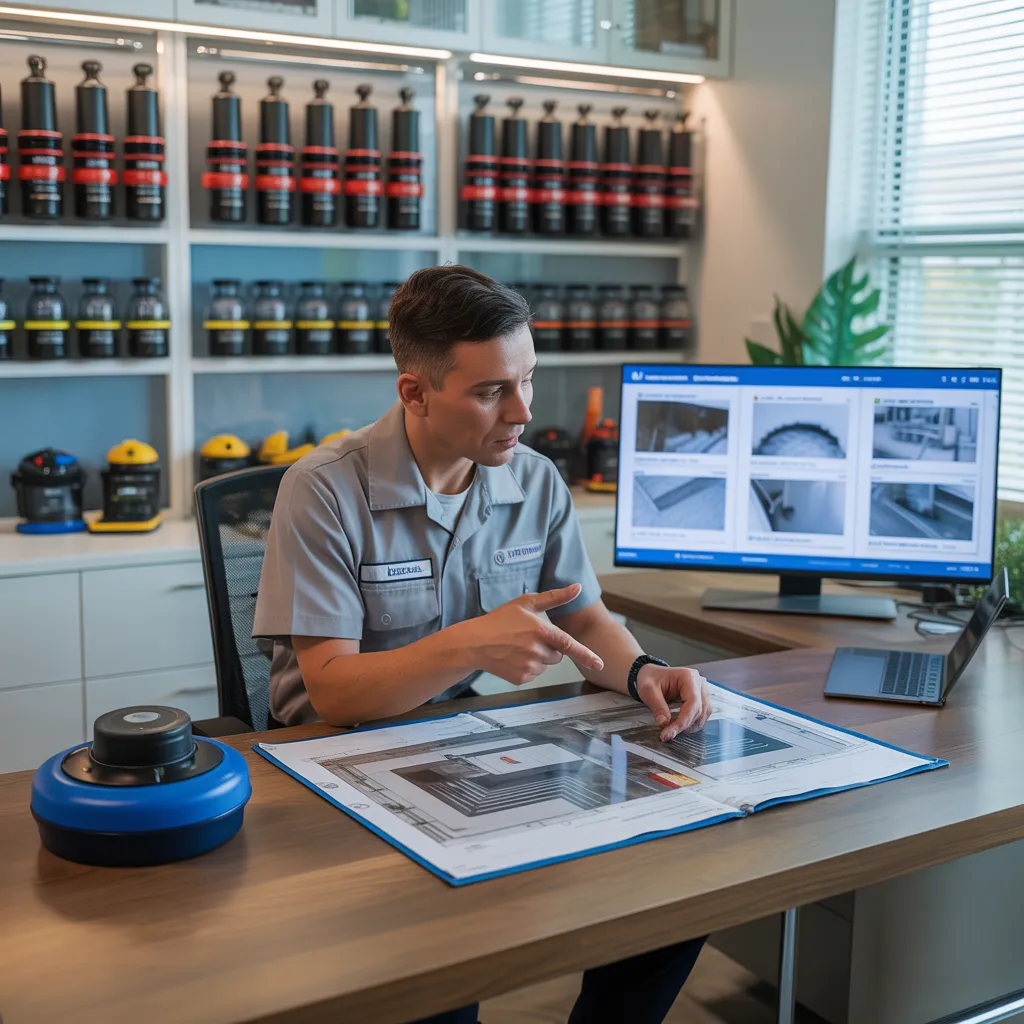
Why Mold Presents a Challenge: Health Hazards and Home Damage
Mold creates significant health risks and can cause extensive harm to houses. It thrives in damp, humid environments, making basements, bathrooms, and kitchens especially vulnerable. Exposure to mold can lead to breathing problems, allergic reactions, and other health complications, particularly for people with prior health issues. Signs may encompass coughing, sneezing, skin irritation, and sinus congestion.
In addition to health concerns, mold can damage the structural integrity of a building. It feeds on natural substances like wood and drywall, leading to rot and decay. Eventually, this can lead to expensive fixes and reduced property value. Homeowners often encounter difficulties in detecting mold growth early, as it can be hidden behind walls or under flooring. Crucial mold remediation is vital for protecting both health and property. Tackling mold issues promptly can mitigate risks and restore a healthy home.
Signs You Require Professional Mold Remediation
Detecting the presence of fungus inside a home can be challenging, especially due to its capability to grow concealed in walls or under floorboards. Homeowners need to be vigilant for several signs indicating the necessity for professional mold remediation. A lingering damp smell is often the first detectable sign, suggesting mold growth is close. Visible mold patches, which may appear in various shades, are another obvious indication that remediation is required. Additionally, unexplained health issues, such as respiratory difficulties or allergic reactions among household members, may highlight a mold issue. Elevated moisture levels, especially in damp areas like basements or bathrooms, can also create ideal conditions for mold proliferation. If homeowners encounter any of these indicators, it is crucial to seek professional support to address the problem effectively and protect their living environment. Prompt action can prevent further damage and enhance indoor air quality.
Understanding Mold Remediation: What You'll Go Through
When residents employ professional mold remediation services, they can expect a systematic approach to handling the issue. The process normally begins with a thorough inspection to discover the scope of the mold infestation and the underlying moisture sources. Following the inspection, professionals will isolate the affected areas to prevent spores from spreading during the removal process.
Following this, specialized tools is applied to remove the mold, including HEPA vacuums and antifungal products. After the mold is removed, the damaged areas are cleaned and disinfected. Homeowners may also obtain guidance for improvements or enhancements to stop future mold growth, such as boosting air flow or repairing leaks.
Finally, a post-remediation inspection guarantees that the area is cleared of mold. Homeowners can expect an extensive report outlining the services performed and preventative measures implemented, enabling them to breathe easy once again in their revitalized living space.

How to Identify the Best Mold Remediation Service for Your Needs
Following understanding of the mold remediation method, choosing the ideal service proves essential for successful completion. Homeowners need to begin by examining local companies with proficiency in mold issues. It is necessary to assess for accreditations, such as those from the Institute of Inspection, Cleaning and Restoration Certification (IICRC), which indicate a professional standard of delivery.
Furthermore, customer reviews and testimonials can offer understanding into the reliability and quality of offerings. It is advisable to obtain multiple estimates to evaluate pricing, scope of work, and timelines. A thorough assessment of the property by the service provider should be included in the procedure, guaranteeing an precise comprehension of the mold situation.
Finally, it is essential to verify that the company has adequate insurance and offers a guarantee on their work, safeguarding against possible future mold problems. These steps can help homeowners make an informed decision when selecting a mold remediation service.
Advantages of Professional Mold Remediation Services
Professional mold remediation services deliver significant benefits that transcend mere cleanup. These services successfully reduce health risks associated with mold contact, ensuring a safer environment. Additionally, they include thorough inspection processes and long-term prevention approaches that safeguard properties from future infestations.
Health Concern Reduction
Although mold might seem like a small problem, its existence can lead to serious medical concerns, particularly for vulnerable populations such as children, the elderly, and those with pre-existing respiratory conditions. Expert mold removal solutions successfully reduce these risks by identifying and removing mold sources, guaranteeing a healthier indoor environment. Trained specialists utilize modern methods and tools to eliminate mold spores, stopping their spread and decreasing the likelihood of allergic reactions, asthma attacks, and other respiratory issues. Additionally, these services often include air quality assessments, delivering essential data for further preventive measures. By tackling mold promptly and effectively, homeowners can significantly lower safety risks, ultimately enhancing well-being and peace of mind for all occupants.
A comprehensive analysis framework
Managing mold issues not only protects health but also stresses the importance of a detailed inspection process. Professional mold remediation services start with a comprehensive evaluation, identifying visible and hidden mold sources. Experts utilize advanced tools, such as moisture meters and infrared cameras, to detect moisture levels and assess affected areas accurately. This meticulous inspection helps determine the extent of contamination, steering impactful remediation strategies. Additionally, professionals evaluate indoor air quality, giving insights into potential health impacts. By depending upon a systematic inspection, property owners can guarantee that all mold issues are addressed, lessening the risk of recurrence and defending both health and property value. Ultimately, a detailed inspection is the base for effective mold remediation.
Long-Range Prevention Strategies
Effective mold remediation services offer numerous extended preventative approaches that greatly enhance interior spaces. These approaches encompass thorough moisture control, which addresses the underlying factors of mold growth. Experts frequently suggest dehumidifiers and proper ventilation to sustain optimal moisture conditions. Furthermore, they may recommend the use of mold-resistant materials throughout renovation projects, additionally lowering the likelihood of future infestations. Regular maintenance inspections can also identify possible problems prior to worsening, allowing for timely intervention. By employing these preventive steps, building proprietors can considerably lower the likelihood of mold recurrence. In the end, these extended preventative approaches not only improve indoor air quality but also protect the structural integrity of residential and commercial properties, promoting improved health and wellness environments.
Preventing Future Mold Growth in Your Home
To stop upcoming mold development in a home, homeowners must focus on moisture control and proper ventilation. Elevated moisture content produce an ideal environment for mold spores to thrive, making it essential to maintain indoor humidity below 50%. Utilizing dehumidifiers in wet spaces, such as basements, can significantly decrease moisture.
Additionally, maintaining proper airflow within the home is essential. This can be accomplished by regularly opening windows and using exhaust fans in kitchens and bathrooms. Regular inspections for leaks in plumbing and roofing are also critical, as even minor water damage can lead to mold proliferation if not handled promptly.
Homeowners should contemplate mold-resistant materials when renovating or constructing, lessening the risk even further. By adopting these proactive measures, homeowners can form an unfavorable conditions for mold, ensuring a healthier living space for their families.
Regularly Posed Questions
How Much Does Mold Removal Usually Cost?
Mold remediation costs typically span between $500 to $6,000, depending on the extent of the infestation, the affected area, and the methods used. Homeowners should consider several estimates for accurate budgeting and effective solutions.
May I Stay in My Home Throughout Remedial Work?
During mold abatement, it is often advised to live somewhere else, especially if the area is extensively affected. However, some situations allow for limited occupancy, contingent upon the degree of mold growth and safeguards established.
What Duration Should You Expect for the Mold Remediation Process?
The mold remediation process typically requires 1-5 days, depending on the severity of contamination and the size of the affected area. Elements such as drying time and necessary repairs may also affect duration.
Will My Insurance Cover Mold Remediation Solutions?
Insurance coverage for mold removal varies useful resource by policy. Some homeowners' insurance may cover it if mold stems from a covered peril, while others may exclude mold damage. Reviewing the specific policy details is essential for clarity.
Which Varieties of Mold Are Most Often Found in Homes?
Common types of mold discovered in homes consist of Aspergillus, Cladosporium, and Stachybotrys (black mold). These molds flourish in damp environments and can pose health risks, making detection and removal crucial for preserving a safe living space.